


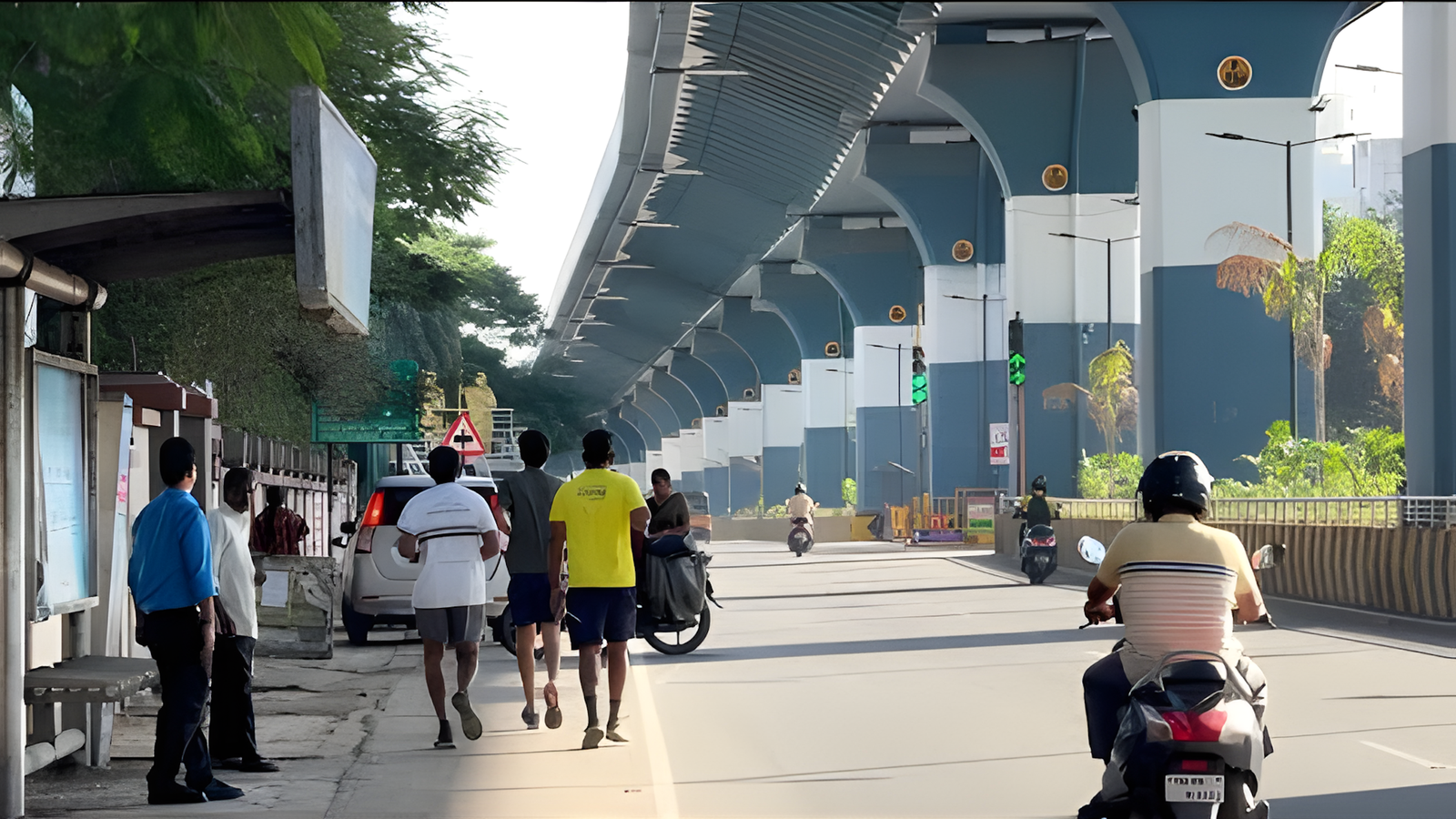
vinashi Road is more than just a stretch of asphalt—it is Coimbatore’s economic lifeline. From IT parks and hospitals to shopping hubs and residential zones, this arterial road carries the daily pulse of the city. However, with rapid urban growth, traffic congestion on Avinashi Road has become a long-standing challenge.
A digital twin of Avinashi Road could be the transformative solution Coimbatore needs to tackle traffic problems not just today, but for the next two decades.
What Is a Digital Twin and Why Does It Matter?
A digital twin is a virtual, data-driven replica of a real-world asset. In the case of roads, it mirrors traffic flow, infrastructure, signals, public transport movement, pedestrian activity, and even weather conditions in real time.
For Avinashi Road, a digital twin would allow city planners and traffic authorities to:
- Simulate real-world traffic conditions
- Predict congestion before it happens
- Test solutions virtually without disrupting commuters
As a result, decisions become data-backed rather than reactive.
Why Avinashi Road Needs a Digital Twin Now
Over the last 20 years, Avinashi Road has witnessed:
- Explosive commercial development
- Metro rail construction and diversions
- Increased private vehicle ownership
- Limited road-widening possibilities
Traditional fixes like flyovers and signal tweaks often provide short-term relief. In contrast, a digital twin of Avinashi Road enables long-term traffic intelligence.
How a Digital Twin of Avinashi Road Can Reduce Traffic Congestion
1. Real-Time Traffic Monitoring
By integrating CCTV feeds, IoT sensors, GPS data from buses, and signal systems, the digital twin can show live congestion points along Avinashi Road.
This allows authorities to:
- Adjust signal timings dynamically
- Redirect traffic during peak hours
- Respond faster to accidents or breakdowns
2. Smarter Signal Coordination
Instead of fixed-time signals, a digital twin can enable adaptive signal control.
For example:
- Longer green lights during office rush hours
- Priority signals for ambulances and buses
- Coordinated signals across junctions to avoid bottlenecks
This alone can significantly improve average travel time.
3. Metro, Bus, and Road Traffic Integration
With Coimbatore Metro progressing, Avinashi Road will see a complex mix of metro users, buses, cars, and two-wheelers.
A digital twin helps planners simulate:
- Passenger movement around metro stations
- Bus stop congestion patterns
- Last-mile connectivity challenges
This ensures smoother multimodal transport planning.
Planning for the Next 20 Years, Not Just Today
One of the biggest advantages of a digital twin of Avinashi Road is future simulation.
City planners can test scenarios such as:
- What happens if traffic volume doubles by 2045?
- How will a new IT park affect peak-hour flow?
- Will an underpass or flyover actually reduce congestion?
By visualizing outcomes in advance, Coimbatore can avoid costly infrastructure mistakes.
Benefits for Businesses and Daily Commuters
A smoother Avinashi Road benefits more than just traffic authorities.
For businesses
- Reliable commute times for employees
- Better logistics and delivery planning
- Increased commercial attractiveness of the corridor
For commuters
- Reduced travel stress
- Lower fuel consumption
- Improved road safety
Over time, this translates into higher productivity and better quality of life.
Challenges in Implementing a Digital Twin in Coimbatore
While promising, implementation does come with challenges:
- High initial investment
- Data integration from multiple departments
- Need for skilled urban tech professionals
- Continuous data updates and maintenance
However, many Indian cities are already piloting smart mobility platforms, proving that these challenges are manageable with the right partnerships.
A Smarter Vision for Coimbatore’s Urban Future
A digital twin of Avinashi Road is not just a technology upgrade—it is a shift in how Coimbatore approaches urban planning. Instead of reacting to congestion after it occurs, the city can predict, prevent, and plan intelligently.
If implemented effectively, this virtual replica could finally solve Avinashi Road’s traffic woes and set a benchmark for smart city innovation across Tamil Nadu.
Final Takeaway
The future of Coimbatore’s mobility does not lie in more concrete alone, but in data-driven intelligence. A digital twin of Avinashi Road could be the key to unlocking smoother traffic, smarter infrastructure, and sustainable urban growth for the next 20 years.

