


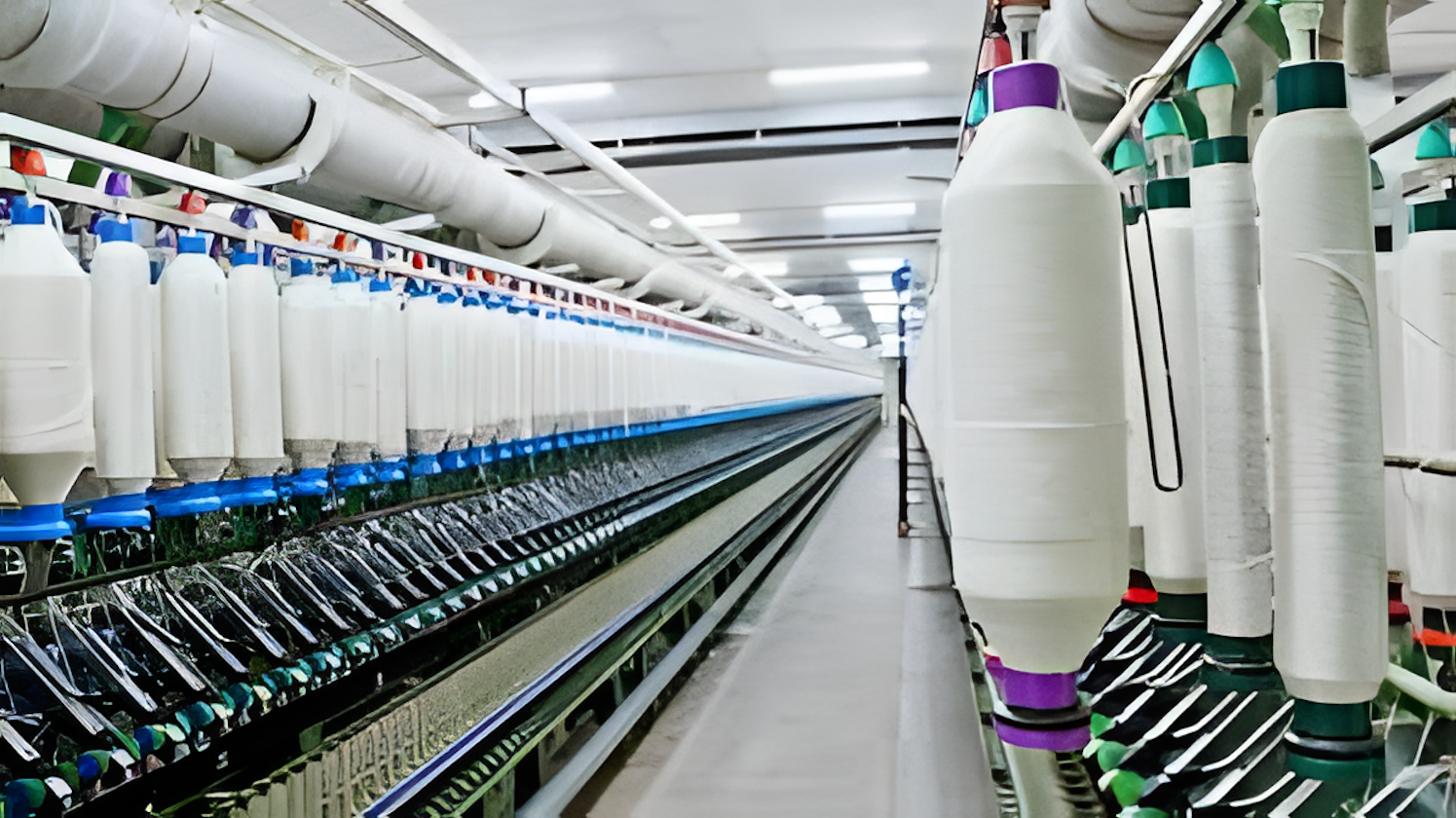
Coimbatore has long been hailed as the textile capital of South India, with spinning mills forming the backbone of its industrial economy. But as global demand grows and sustainability becomes non-negotiable, traditional mill operations are reaching their limits.
Enter Textile 4.0, a framework combining Industry 4.0 technologies with cognitive city intelligence, designed to optimize logistics, energy consumption, and operational efficiency in urban industrial clusters like Coimbatore.
Understanding Textile 4.0 in Coimbatore
Textile 4.0 leverages smart manufacturing principles, IoT-enabled machinery, AI-powered analytics, and cloud-based supply chain management. For spinning mills, it means:
- Real-time monitoring of production and energy usage
- Predictive maintenance for machinery
- Intelligent scheduling for logistics and raw material movement
- Data-driven energy optimization
- Integration with city-wide infrastructure
By connecting mills to cognitive city systems, Coimbatore can achieve both operational efficiency and urban sustainability.
How Cognitive City Intelligence Enhances Textile Operations
1. Optimized Logistics
Spinning mills rely on consistent raw material delivery and finished product dispatch. Cognitive systems can:
- Track truck movements and warehouse stock levels in real-time
- Predict peak delivery times and suggest alternative routes
- Reduce idle time and bottlenecks in urban traffic
This ensures faster, more reliable supply chains for Coimbatore’s textile hubs.
2. Energy Footprint Management
Energy costs form a significant portion of spinning mill expenditure. By connecting mills to cognitive city grids:
- Real-time monitoring of electricity and water usage is possible
- AI models can forecast energy demand and optimize consumption
- Smart load distribution reduces peak demand and utility costs
Sustainability targets become achievable without compromising production.
3. Predictive Maintenance and Reduced Downtime
IoT sensors on spinning machines feed data into AI analytics. The system predicts potential breakdowns, allowing preventive maintenance.
- Reduced unplanned downtime
- Longer machine life
- Cost savings in repairs and replacements
This increases overall productivity and reduces the operational footprint.
4. Integrated Waste and Resource Management
Textile 4.0 emphasizes circular processes. Cognitive city intelligence helps mills:
- Track water and chemical usage
- Minimize effluent discharge
- Enable recycling and reuse initiatives
The result: more eco-friendly operations and compliance with environmental regulations.
5. Enhanced Decision-Making
With real-time dashboards and predictive analytics, mill managers can:
- Align production schedules with urban energy availability
- Optimize workforce allocation
- Plan logistics more efficiently
- Make faster, data-driven operational decisions
This combination of Textile 4.0 and cognitive city intelligence transforms traditional mills into smart, responsive manufacturing hubs.
Benefits for Coimbatore’s Textile Ecosystem
- Economic: Reduced costs, faster throughput, and higher competitiveness
- Environmental: Lower energy consumption, reduced emissions, and sustainable water use
- Operational: Predictable performance, fewer disruptions, and real-time insights
- Urban Integration: Traffic, energy, and logistics coordination with city infrastructure
Collectively, these advantages reinforce Coimbatore’s position as a leading textile innovation hub.
Challenges and Implementation Considerations
- Initial capital investment for IoT, AI, and infrastructure
- Skilled workforce for data management and AI analytics
- Integration with existing machinery and legacy systems
- Coordination with urban utilities for energy and logistics alignment
Despite these challenges, early adopters in Coimbatore are already seeing measurable gains in efficiency and sustainability.
Conclusion
Textile 4.0, powered by cognitive city intelligence, represents the next evolution of Coimbatore’s spinning mills. By leveraging technology to optimize logistics and energy consumption, mills can achieve higher productivity, lower costs, and improved environmental performance.
In a city where textile heritage meets modern innovation, the fusion of smart manufacturing and smart urban systems ensures Coimbatore remains a global leader in sustainable textile production.

